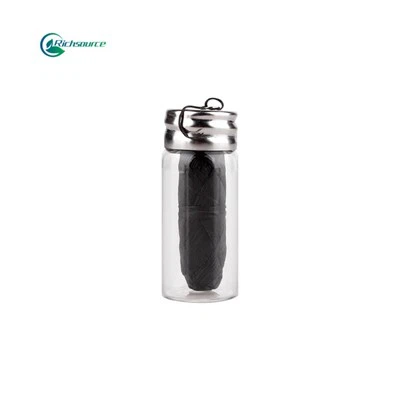

When it comes to oral care, the choices we make after eating can significantly impact our dental health. Acidic foods, in particular, pose unique challenges to maintaining a healthy mouth. One product that has gained attention in recent years for its potential oral care benefits is charcoal floss. As a charcoal floss supplier, I'm often asked whether charcoal floss can be used effectively for oral care after consuming acidic foods. In this blog post, we'll explore this question from a scientific perspective.
The Impact of Acidic Foods on Oral Health
Acidic foods and beverages, such as citrus fruits, tomatoes, vinegar, and carbonated drinks, can have a detrimental effect on our teeth. The acids in these foods lower the pH level in the mouth, creating an acidic environment. When the oral pH drops below 5.5, the protective enamel on our teeth begins to demineralize, which means the minerals in the enamel start to dissolve. This process weakens the enamel, making the teeth more susceptible to cavities, tooth sensitivity, and erosion.
Moreover, acidic foods can also disrupt the natural balance of the oral microbiome. The normal oral microbiome consists of a diverse community of bacteria, some of which are beneficial for oral health, while others can cause problems. The acid can promote the growth of harmful bacteria, particularly Streptococcus mutans, which is a major contributor to dental plaque and tooth decay. Dental plaque is a sticky film of bacteria that adheres to the teeth and produces acids by breaking down the sugars in our diet.
How Charcoal Floss Works
Charcoal floss is made with activated charcoal, a highly porous form of carbon that has been processed to increase its surface area. This makes activated charcoal an excellent adsorbent, meaning it can attract and bind to various substances. In the context of oral care, charcoal floss is designed to remove food particles, plaque, and stains from between the teeth and along the gumline.
When you use charcoal floss, the activated charcoal in the floss can adsorb the bacteria and debris in the mouth, helping to keep the teeth and gums clean. Additionally, charcoal floss can help to whiten the teeth by removing surface stains. The abrasive nature of the charcoal particles can gently scrub away the stains caused by coffee, tea, tobacco, and other substances.
Can Charcoal Floss Be Used After Eating Acidic Foods?
The answer is yes, charcoal floss can be used for oral care after eating acidic foods, but with some precautions. Immediately after consuming acidic foods, the enamel on the teeth is in a softened state due to demineralization. Brushing or using abrasive dental products right away can cause further damage to the enamel. Therefore, it's recommended to wait at least 30 minutes to an hour before brushing or using charcoal floss. This allows the saliva in the mouth to neutralize the acid and remineralize the enamel.
Once the appropriate time has passed, using charcoal floss can be beneficial. It can help to remove any remaining food particles and plaque that may have accumulated due to the consumption of acidic foods. By removing these substances, charcoal floss can reduce the risk of cavities and gum disease. Additionally, the adsorbent properties of the activated charcoal can help to remove any acidic residues that may still be present in the mouth.
Benefits of Using Charcoal Floss After Eating Acidic Foods
1. Plaque Removal
As mentioned earlier, acidic foods can promote the growth of dental plaque. Charcoal floss can effectively remove plaque from between the teeth and along the gumline, where a toothbrush may not reach. This helps to prevent the buildup of plaque, which can lead to cavities and gum disease. For more information on our charcoal floss designed for plaque removal, you can visit Dental Plaque Dental Floss.
2. Acid Neutralization
The activated charcoal in the floss can adsorb some of the acidic residues in the mouth, helping to neutralize the acid and restore the normal pH balance. This can reduce the risk of enamel demineralization and tooth decay.
3. Stain Removal
Acidic foods can sometimes cause surface stains on the teeth. The gentle abrasive action of charcoal floss can help to remove these stains, leaving the teeth looking whiter and cleaner.
4. Fresh Breath
Using charcoal floss can help to remove food particles and bacteria that can cause bad breath. This leaves the mouth feeling fresh and clean after eating acidic foods. Check out our Mint Flossers for an extra boost of freshness.


Precautions When Using Charcoal Floss
While charcoal floss can be beneficial for oral care after eating acidic foods, it's important to use it correctly. Here are some precautions to keep in mind:
- Wait for the Right Time: As mentioned earlier, avoid using charcoal floss immediately after eating acidic foods. Wait at least 30 minutes to an hour to allow the enamel to remineralize.
- Use Gentle Pressure: When using charcoal floss, be gentle to avoid damaging the gums. Insert the floss between the teeth and move it up and down in a gentle sawing motion.
- Don't Overuse: Using charcoal floss too frequently or with too much force can cause abrasion to the teeth and gums. It's recommended to use it once or twice a day as part of your regular oral care routine.
Other Oral Care Tips After Eating Acidic Foods
In addition to using charcoal floss, there are other steps you can take to protect your teeth after eating acidic foods:
- Rinse Your Mouth: Rinse your mouth with water immediately after eating acidic foods to help dilute the acid and remove any food particles.
- Drink Milk or Water: Consuming milk or water can help to neutralize the acid in the mouth. Milk contains calcium and phosphate, which can help to remineralize the enamel.
- Eat Cheese: Cheese is a good source of calcium and phosphate, and it can help to raise the pH level in the mouth. Eating a small amount of cheese after eating acidic foods can be beneficial for oral health.
Conclusion
In conclusion, charcoal floss can be a useful tool for oral care after eating acidic foods, as long as it's used correctly. By waiting an appropriate amount of time after consuming acidic foods and using the floss gently, you can take advantage of its plaque - removing, acid - neutralizing, and stain - removing properties. At our company, we offer a variety of high - quality charcoal floss products, including Eco Floss, Dental Plaque Dental Floss, and Mint Flossers. If you're interested in purchasing our charcoal floss products for your oral care needs or for potential business partnerships, please feel free to reach out for procurement discussions.
References
- Bowen, W. H., & Bergenholtz, G. (2016). Essentials of Oral Biology. Wiley - Blackwell.
- Zero, D. T. (2002). Dental caries: The disease and its clinical management. Quintessence Publishing Co., Inc.
- Burt, B. A., & Eklund, S. A. (2015). Dentistry, Dental Practice, and the Community. W. B. Saunders Company.