
Can I use dental floss if I have gum recession?


Gum recession is a common dental issue that affects many people worldwide. It occurs when the gum tissue that surrounds the teeth pulls back, exposing more of the tooth or its root. This condition can lead to tooth sensitivity, an increased risk of cavities, and even tooth loss if left untreated. One question that often arises among individuals with gum recession is whether it is safe to use dental floss. In this blog post, we'll explore this topic in detail, and as a dental floss supplier, we'll also share some tips on choosing the right dental floss for your needs.
Understanding Gum Recession
Before delving into the use of dental floss with gum recession, it's essential to understand what causes this condition. Gum recession can be attributed to several factors, including aggressive brushing, periodontal disease, genetics, tobacco use, and misaligned teeth. When the gums recede, the roots of the teeth become exposed, which can make them more vulnerable to damage and decay.
Can You Use Dental Floss with Gum Recession?
The short answer is yes, you can use dental floss if you have gum recession. In fact, flossing is an essential part of maintaining good oral hygiene, even for those with receding gums. Dental floss helps remove plaque and food particles from between the teeth and along the gumline, areas that a toothbrush may not reach effectively. By removing these debris, you can prevent the buildup of bacteria, which can lead to gum disease and further gum recession.
However, it's crucial to use dental floss correctly to avoid causing further damage to your gums. Here are some tips on how to floss safely with gum recession:
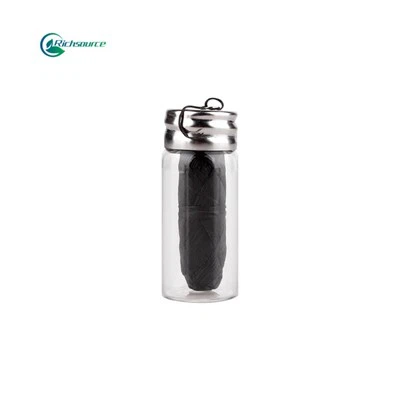
- Choose the Right Dental Floss: Opt for a gentle, waxed dental floss that is less likely to shred or catch on your teeth. Waxed floss glides more easily between the teeth, reducing the risk of gum irritation. Our Non Mint Floss is a great option as it provides a smooth flossing experience without the mint flavor. If you prefer a minty freshness, our Mint Flossers are also available.
- Be Gentle: When flossing, use a gentle back-and-forth motion to guide the floss between your teeth. Avoid snapping the floss into your gums, as this can cause pain and damage to the delicate gum tissue. Instead, curve the floss around the base of each tooth in a "C" shape and gently slide it up and down along the tooth surface.
- Floss Regularly: Make flossing a part of your daily oral hygiene routine. Aim to floss at least once a day, preferably before bedtime, to remove any food particles and plaque that have accumulated throughout the day.
- Consider Using an Interdental Brush: If you find it difficult to use dental floss due to the tight spaces between your teeth or the sensitivity of your gums, an interdental brush may be a good alternative. Interdental brushes are small, brush-like tools that can be used to clean between the teeth and along the gumline. Our Environmentally Friendly Dental Floss is also a sustainable option for those looking to reduce their environmental impact.
Benefits of Using Dental Floss with Gum Recession
Using dental floss regularly can provide several benefits for individuals with gum recession, including:
- Preventing Gum Disease: By removing plaque and food particles from between the teeth and along the gumline, flossing helps prevent the buildup of bacteria, which can lead to gum disease. Gum disease is a leading cause of gum recession, so keeping your gums healthy is crucial for preventing further recession.
- Reducing Tooth Sensitivity: When the roots of the teeth are exposed due to gum recession, they can become sensitive to hot, cold, and sweet foods and drinks. Flossing helps remove plaque and debris from around the exposed roots, reducing the risk of tooth sensitivity.
- Improving Oral Health: Flossing is an essential part of maintaining good oral hygiene. By removing plaque and food particles from between the teeth, you can prevent the formation of cavities and keep your teeth and gums healthy.
Choosing the Right Dental Floss for Gum Recession
As a dental floss supplier, we understand the importance of choosing the right dental floss for your needs. Here are some factors to consider when selecting a dental floss for gum recession:
- Material: Dental floss is available in a variety of materials, including nylon, silk, and PTFE (polytetrafluoroethylene). Nylon floss is the most common type and is suitable for most people. Silk floss is softer and more gentle on the gums, while PTFE floss is stronger and less likely to shred.
- Thickness: Dental floss comes in different thicknesses, ranging from thin to thick. Thinner floss is better for tight spaces between the teeth, while thicker floss is more suitable for wider gaps.
- Flavor: Dental floss is available in a variety of flavors, including mint, cinnamon, and bubblegum. Choose a flavor that you enjoy to make flossing more enjoyable.
- Waxed or Unwaxed: Waxed dental floss glides more easily between the teeth, reducing the risk of gum irritation. Unwaxed dental floss is more abrasive and may be better for removing stubborn plaque.
Conclusion
In conclusion, using dental floss is an essential part of maintaining good oral hygiene, even for those with gum recession. By choosing the right dental floss and using it correctly, you can prevent the buildup of plaque and bacteria, reduce the risk of gum disease, and keep your teeth and gums healthy. As a dental floss supplier, we offer a wide range of high-quality dental floss products to meet your needs. Whether you prefer a gentle, waxed floss or a minty fresh flavor, we have the perfect dental floss for you.
If you're interested in learning more about our dental floss products or would like to place an order, please don't hesitate to contact us. We're here to help you achieve optimal oral health and are always happy to answer any questions you may have.
References
- American Dental Association. (2023). Gum Recession. Retrieved from https://www.ada.org/en/publications/ada-news/2023-archive/may/gum-recession
- Mayo Clinic. (2023). Gum Recession. Retrieved from https://www.mayoclinic.org/diseases-conditions/gum-recession/symptoms-causes/syc-20352925
- WebMD. (2023). Gum Recession: Causes, Symptoms, and Treatment. Retrieved from https://www.webmd.com/oral-health/gum-recession-causes-symptoms-treatment