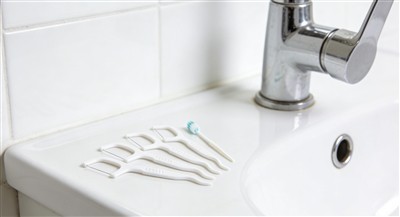
The tongue scraper, a specialized tool for cleaning the tongue, traces its history back to early human concerns about oral hygiene and body cleanliness. Although early civilizations did not develop modern oral medicine systems, the pursuit of fresh breath and a clean tongue was evident in various cultures and daily practices, laying the foundation for the prototype and evolution of the tongue scraper.
In ancient India, the Ayurvedic medical system emphasized the impact of oral hygiene on overall health, with tongue cleaning considered an important part of daily wellness. Archaeological and documentary evidence shows that people at that time used thin wooden strips, ivory pieces, or thin metal sheets to manually scrape the tongue surface after waking up to remove mucus and "impurities" accumulated overnight. This practice was believed to help balance the body's energy and prevent disease. Similar customs were also found in ancient Persia and Central Asia, with some documents recording that nobles and monks regularly cleaned their tongues with thin sheets made of precious metals, both for etiquette and hygiene reasons.
During the classical period, Greek and Roman physicians, in discussing oral care, mentioned the relationship between tongue cleaning and breath management. The Hippocratic school suggested using instruments of specific shapes to remove deposits from the tongue to maintain taste sensitivity and proper social etiquette. In the bathing culture of ancient Rome, oral care was often incorporated into personal hygiene procedures; thin metal or bone blades were used as tongue scrapers, their simple forms showing an early awareness of the tongue's curvature.

In medieval Europe, influenced by religious and medical beliefs, oral care was neglected for a time. However, tongue cleaning was still included in health advice in medical writings of the Islamic Golden Age. Arab scholars, building upon and absorbing ancient Greek medical knowledge, further pointed out the connection between tongue coating and digestion and fluid balance, recommending the use of smooth, blunt-edged instruments to reduce mucosal damage. Tongue scrapers made during this period were mostly crafted from metals such as copper and silver, some with elaborate decorations, combining practicality with symbolic status.
Since modern times, with the development of oral medicine and microbiology, people have gradually recognized the connection between tongue coating and oral flora, halitosis, and some digestive system diseases. Tongue cleaning has shifted from an empirical custom to a scientifically based care practice. From the late 19th to the early 20th century, industrial production enabled the mass production of tongue scrapers made of metal and non-toxic plastics. Their forms became standardized, handle designs were more ergonomic, and the rounded edges of the scraper reduced the risk of use. In the mid-to-late 20th century, with consumers placing greater emphasis on personal image and social etiquette, tongue scrapers gradually entered daily life and were incorporated into oral care product lines.
Entering the 21st century, tongue scraper designs place greater emphasis on ergonomics, material safety, and hygiene. New materials such as stainless steel, food-grade plastics, and medical-grade silicone have improved comfort and durability. Some products incorporate replaceable modules and antibacterial treatments to meet diverse consumer needs. Meanwhile, clinical research has provided data to support their efficacy, further solidifying their position in comprehensive oral care.
Overall, the historical background of tongue scrapers shows a trajectory of evolution from ancient empirical customs to modern scientific care. It is both a cultural reflection of humanity's pursuit of self-image and physical cleanliness and a joint achievement of advancements in oral medicine and materials technology, witnessing the continuous evolution of cleaning tools in meeting both health and etiquette needs.