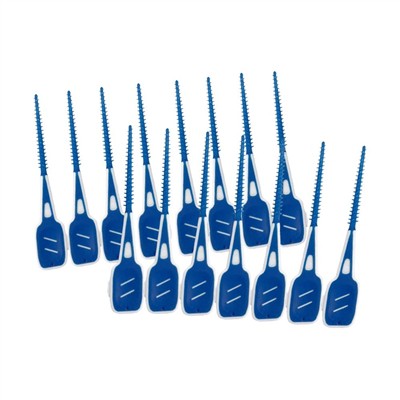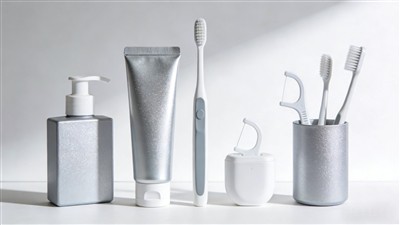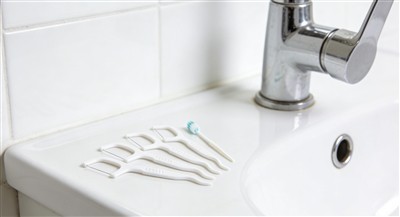
During orthodontic treatment, brackets, archwires, and various auxiliary devices significantly increase the difficulty of cleaning tooth surfaces. Orthodontic floss picks, as targeted cleaning tools, can achieve twice the result with half the effort when used correctly and skillfully in daily care. The following are some usage tips from the aspects of preparation, operation, maintenance, and habit formation to help patients improve cleaning efficiency and user comfort, while reducing the risk of misuse.
I. Choosing the Appropriate Model and Condition
Different brands and types of orthodontic floss picks vary in floss thickness, length, and handle shape. When using for the first time or starting a new treatment, try it under the guidance of a dental professional to choose a model that can smoothly enter the interdental spaces without causing significant pressure. Before each use, check that the floss is intact and avoid using worn, forked, or deformed products to prevent incomplete cleaning or damage to the gums.
II. Master the Technique of Gentle Insertion The archwire and brackets can easily form a physical barrier. When inserting the suture, maintain a gentle touch to avoid forceful pressure that could cause the suture to become stuck or strain the appliance. Adjust the head and hand angles first, allowing the suture to slide in from below or to the side of the archwire along the arch's curve. If resistance is encountered, do not force it in; instead, fine-tune the suture's position or work in segments, gradually entering the target interdental space.
III. Ensure the suture fully adheres to the proximal surfaces After successfully entering the interdental space, the suture should wrap around the proximal surfaces, forming a closed contact similar to a "C." This increases the cleaning area and improves scraping effectiveness. Maintain appropriate tension during adhesion to avoid reduced cleaning power due to looseness or gingival discomfort due to excessive tightness.
IV. Utilize Gentle Pulling and Small Reciprocating Movements When cleaning, move the suture along the tooth surface using gentle pulling or small reciprocating movements, advancing from the gingival margin towards the occlusal surface or in the opposite direction. Utilize the shearing and scraping action of the suture to remove plaque and impacted material. Repeat each interval 2-3 times, paying attention to smooth movements and a steady rhythm to avoid sudden pulling that could cause the filament to detach or injure the gums.

V. Replace filament segments and cleaning tools promptly. Prolonged use of the same filament will reduce cleaning efficiency due to wear and contamination. It is recommended to replace the filament segment after cleaning several tooth positions, or wipe or replace it immediately if it is visibly contaminated with food debris. After use, rinse the filament with water. The handle can be wiped with a damp cloth and stored in a dry, well-ventilated place to prevent bacterial growth.
VI. Arrange usage time and frequency appropriately. It is recommended to use it at least once a day, preferably before brushing your teeth in the evening or after meals, to minimize plaque buildup. For patients prone to food impaction, an additional session can be added after lunch, combining regular brushing with interdental brushing for multi-layered cleaning.
VII. Combine Mirror Observation with Professional Guidance: For first-time users or those still unfamiliar with the technique, a mouth mirror can be used to observe the operating area to ensure accurate floss placement. Regular guidance and evaluation from dental professionals are essential to correct errors and adjust the usage strategy according to the treatment progress.
VIII. Emphasize Comfort and Compliance: If significant gum pain or loosening of the braces occurs during use, stop immediately and consult a professional to investigate the cause and adjust the method. Patience and regular practice will gradually form a stable and comfortable operating habit, thereby increasing the likelihood of long-term adherence.
In summary, the correct use of orthodontic floss picks depends on attention to detail, including proper size selection, gentle application, close contact cleaning, timely replacement, and consistent adherence. The above tips aim to help patients use this tool more scientifically and efficiently, maintain good oral hygiene during orthodontic treatment, reduce the risk of complications, and provide strong support for dental health and the consolidation of treatment results.